
By Tango Editorial Team • June 7, 2026
What Is Social Gaming? A Simple Guide for New Players
What is social gaming and why is everyone joining? A simple guide to playing, watching, and connecting on Tango.
On Tango, social gaming is less about solo play and more about joining live experiences where games, chat, and community all happen in one place.
Social gaming is changing how people play online. Instead of gaming alone or competing silently against strangers, social gaming blends games, live interaction, chat, and shared reactions into one shared experience. On Tango, that experience often happens in a live stream, where Viewers can watch, react, chat, and join the moment as it unfolds.
If you’ve ever joined a game just to watch, reacted to a big moment in chat, or stayed longer because the atmosphere felt fun rather than competitive, you’ve already experienced social gaming. It’s the kind of format that makes it easy for Viewers and Creators to connect through shared moments rather than the pressure to win.
This guide explains what social gaming actually is, why it’s growing so quickly, and how platforms like Tango bring it to life for new players.
What Is Social Gaming?
At its core, social gaming is about shared experiences, not solo performance.
Unlike traditional games that focus on individual progression or competition, social gaming is designed around live participation. Creators and Viewers share the same space, reacting, chatting, and shaping the live energy in real time.
Key characteristics of social gaming:
-
Games are designed to be watched as well as played
-
Interaction through chat, reactions, and gifts is part of the experience
-
People can join, leave, or switch games freely
-
Entertainment comes from shared moments, not outcomes
In short, social gaming turns gameplay into a live, communal activity, closer to hanging out than playing alone. That’s part of what makes it feel approachable on Tango - you can join for the game, stay for the atmosphere, and interact however you like.
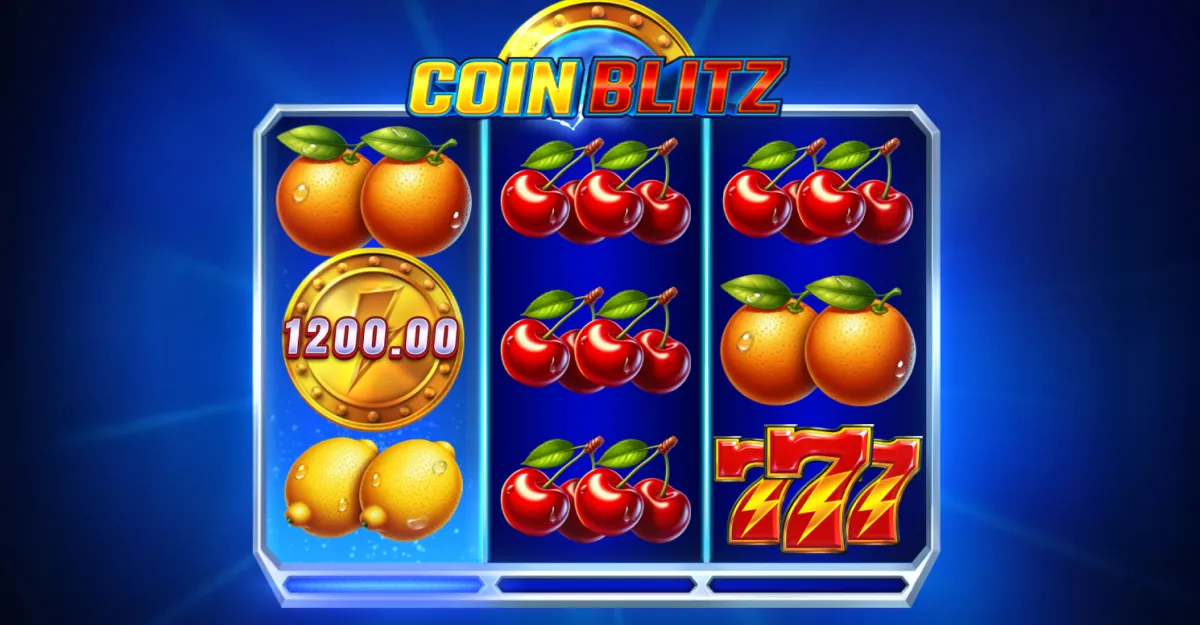
How Social Gaming Is Different From Traditional Gaming
Traditional online games usually follow a clear pattern:
-
Start a session
-
Play to progress or win
-
Finish and exit
Social gaming works differently:
-
Join a live game or room
-
Watch, play, or interact at your own pace
-
React together in real time.
-
Stay for the atmosphere, or leave anytime.
There’s no pressure to perform well or commit to long sessions. Many people participate simply to watch, chat, or enjoy the shared energy. You can drop in, react in chat, enjoy the moment, and leave whenever it feels right.
This low-pressure, flexible model is one of the main reasons social gaming continues to grow.
What Kinds of Games Are Social Games?
Social gaming isn’t a single genre; it’s a way of experiencing games.
On platforms like Tango, social games typically fall into a few broad styles. These formats are less about mastering complex mechanics and more about making live participation feel easy, social, and fun:
Fast & Reactive Games
Designed to be quick, unpredictable, and exciting to watch and react to together.
Common traits:
-
Short rounds
-
High chat activity
-
Shared reactions to sudden moments
Casual & Chill Games
Slower-paced games are built for relaxed interaction and conversation.
Common traits:
-
Simple mechanics
-
Friendly pacing
-
Chat-first experience
That lighter format makes it easier to join, react, and enjoy the stream without needing to keep up with every move.
Live & Show-Style Games
Games that feel closer to live entertainment, where the shared experience matters as much as the gameplay.
Common traits:
-
Live hosts or presenters
-
Real-time interaction
-
Strong sense of audience participation
Discovery & Variety Games
These are the kinds of games people discover while browsing and end up staying for longer than they expected.
Common traits:
-
Easy to join mid-session
-
Designed for exploration
-
Encourages casual participation
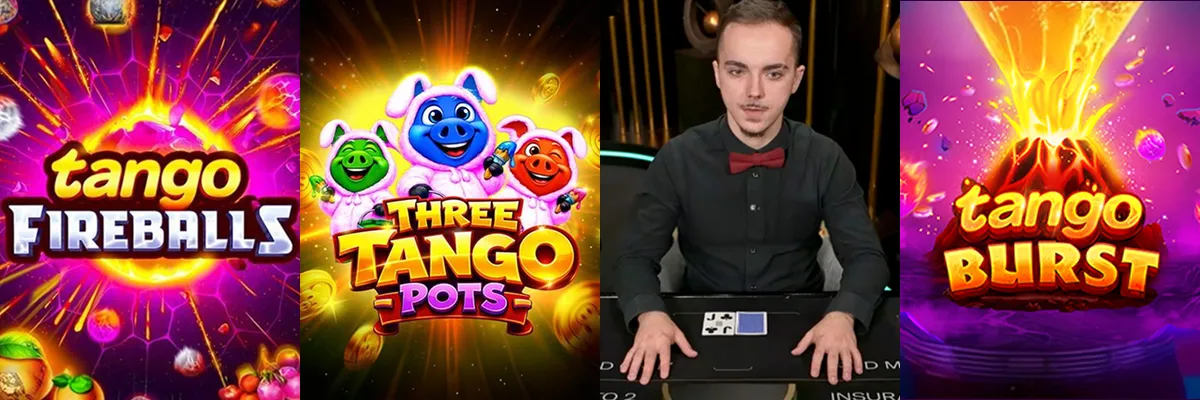
Where Does Social Gaming Happen?
Social gaming lives at the intersection of games, live content, and community.
Some platforms add social features to games. Others build games directly into social spaces. The latter approach allows interaction to feel natural rather than layered on.
On Tango, social games are part of the live environment:
-
Chat, reactions, and gifts appear alongside gameplay
-
Viewers and players share the same space
-
Participation is optional and flexible
This design lowers the barrier to entry, especially for new users. That’s a big part of the appeal of social gaming for beginners — it feels easy to join without needing gaming experience first.
Why Social Gaming Is Growing
Social gaming reflects broader changes in how people spend time online:
-
People prefer low-commitment entertainment
-
Watching and reacting together feels easier than playing solo
-
Short, shared experiences fit modern habits
-
Interaction matters more than performance
For many people, that shift makes online play feel more welcoming, more social, and easier to return to. Rather than replacing traditional gaming, social gaming complements it by offering a different way to engage.
Social gaming removes the things that often put new users off, the need to master rules, compete seriously, or commit to long sessions. You can simply join, observe, react, and enjoy the moment.
That flexibility is what makes social gaming feel approachable - you can be active, casual, or somewhere in between. That’s why social gaming often feels closer to live entertainment than traditional gaming.
How Social Gaming Works on Tango
Social games on Tango are designed for instant participation.
You don’t need:
-
gaming experience
-
long tutorials
-
competitive skills
Instead, you can:
-
Browse live games and discover new ones instantly
-
Join instantly
-
Watch, play, or interact
-
React through chat or gifts
-
Leave at any time
This makes social gaming accessible even to people who don’t consider themselves gamers. You don’t have to think of yourself as a gamer to enjoy it, you just need to be curious enough to join and see what’s happening live.
Curious about live game formats on Tango? See how competition broadcasts work.
Who Is Social Gaming For?
Social gaming has grown well beyond the traditional “gamer” audience. People come for the live energy, the chat, and the sense of being part of something happening in real time, not necessarily because they identify as gamers.
The numbers back this up. The social gaming market was valued at roughly $29.5 billion in 2023 and is projected to reach $110.7 billion by 2032 (SNS Insider, January 2025). Mobile devices alone account for around 72% of that revenue, a figure that lines up with how most people actually want to play and watch: on the phone they already have in their hand.
Casual viewers and dippers-in
For many people, social gaming starts with watching, not playing. They join a live stream, find a moment that catches their attention, and stay because the chat is fun or the host is interesting. hey might never pick up a controller, and that's fine. Social games on Tango make it a valid way to participate
People returning to gaming after a long break
Plenty of adults who played games as kids stepped away from them, too ס-time-consuming, too competitive, too steep a learning curve to come back to. Social gaming is what brings them back. Short sessions, no ranking, no need to “git gud” before joining in. The 26-35 age group is one of the fastest-growing segments in social gaming, expanding at roughly 16% per year (Mordor Intelligence, 2025).
People who want social time without the planning
Group video calls take coordination. Going out takes coordination. Social gaming streams just happen. You open the app, you find one that looks fun, you’re in. For people who want a connection without the calendar overhead, this format fits naturally into how they already use their phone.
Creators looking for a friendlier audience model
For Creators on Tango, social gaming is also a different audience to grow. Game streams pull in viewers who are looking for entertainment first and gameplay second, which means they reward personality, presence, and chat interaction at least as much as game skill. That’s a more sustainable creative environment than performance-driven competitive streaming, particularly for Creators starting out. To understand how creators earn on Tango through social game streams, see our monetization guide.
In short, if you’ve ever watched a stream because the energy was fun, or stayed in a chat because the people were friendly, social gaming is already for you.
Is Social Gaming About Winning?
Not really, and that’s intentional.
In social gaming, the experience matters more than outcomes. People stay for:
-
shared reactions
-
conversation
-
unexpected moments
-
live interaction
Winning can happen, but it isn’t the purpose. More often, the fun comes from reacting together, chatting in the moment, and enjoying the energy of the live experience.
FAQ
What is social gaming?
Social gaming is a way to play and watch games together in real time, with interaction, chat, and shared reactions as part of the experience.
On Tango, that means Creators and Viewers share the same live space, playing, reacting, and connecting in the moment.
Do I need to play to enjoy social gaming?
No. Many people participate by watching, chatting, or reacting without actively playing.
Is social gaming free to try?
Social gaming experiences may be explored without commitment. Some features may include optional in-app purchases, depending on the platform.
Can I leave a social game at any time?
Yes. Social games are designed for flexible participation, allowing users to join or leave freely.
Is social gaming suitable for new players?
Yes. Social gaming is intentionally accessible and requires no prior experience or skill.
Final Thoughts
Social gaming represents a shift in how people experience games online. By blending play, watching, and interaction, it creates spaces that feel welcoming, flexible, and social. Platforms like Tango show that gaming doesn't have to be competitive or isolating to be enjoyable. Sometimes, the most memorable moments come from reacting together in real time. It can be live, social, flexible, and built around the kinds of moments people genuinely want to share.
If you're new to social gaming, the best way to understand it is to explore, observe, and join when it feels right. Start by browsing, watching a moment unfold, and joining in when you're ready. Explore social games on Tango.